01
Food Storage
Contain dry goods with clarity.
Use airtight containers for cereal, grains, pasta, snacks, flour, sugar, and baking staples. Clear containers make restocking visible and help reduce forgotten items.
A well-organized kitchen is not only about storage. It is about creating an intuitive rhythm for cooking, cleaning, restocking, and sharing meals. This Spaceora guide helps you plan pantry zones, cabinet systems, fridge clarity, countertop flow, and everyday maintenance with refined simplicity.
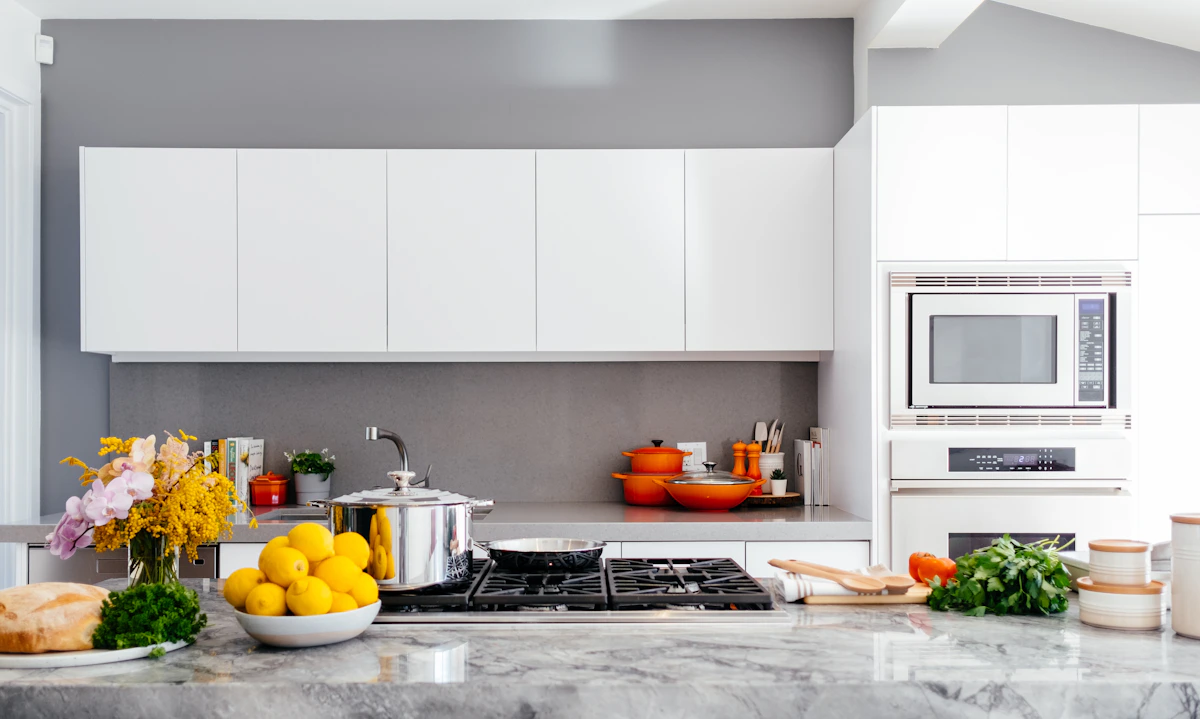
Spaceora kitchen organization starts by dividing the room into intentional zones. Each zone should reduce visual noise, prevent duplicate purchases, and make daily tasks easier to repeat.
Use airtight containers for cereal, grains, pasta, snacks, flour, sugar, and baking staples. Clear containers make restocking visible and help reduce forgotten items.
Group breakfast, baking, snacks, sauces, packets, and backstock into bins or baskets so shelves stay composed even when multiple people use the kitchen.
Arrange spices by cuisine, frequency, or alphabetically. Tiered racks and jar organizers help every label remain visible without digging.
Drawer dividers, pull-out organizers, and cabinet shelves keep lids, utensils, wraps, pans, and small tools from becoming a hidden pile.
Give sponges, brushes, soap, towels, and daily cleaners a small defined station so the countertop feels calm after every rinse.
Use bins for produce, drinks, meal prep, sauces, frozen proteins, and quick snacks so the fridge works like a fresh inventory wall.

Before buying organizers, reset the kitchen by purpose. When the categories are clear, the right containers and dividers become obvious.
Remove expired food, duplicate tools, damaged containers, mismatched lids, and items that belong in another room.
Keep baking items together, daily breakfast together, lunch packing together, and quick cleanup products near the sink.
Choose containers, baskets, and drawer organizers that leave enough space to remove items without disrupting the entire shelf.
Simple labels make the system easier to maintain and help groceries return to the same place after every shop.
Spend a few minutes checking pantry levels, clearing the fridge, wiping the sink zone, and returning stray items.
A beautiful kitchen fails when the system fights your routine. Match each organizer to a real action: pouring, grabbing, restocking, washing, packing, or prepping.

Use this matrix as a quick planning map before you reorganize shelves, drawers, cabinets, the fridge, or the sink area.
Best for cereal, grains, pasta, baking supplies, coffee, tea, nuts, and snacks that benefit from visibility and airtight closure.
Best for grouped categories, loose packets, kids' snacks, backstock, sauces, breakfast items, and weekly meal prep.
Best for making seasoning collections easier to scan, compare, refill, and return after cooking.
Best for utensils, wraps, lids, pans, cutting tools, baking tools, measuring pieces, and under-sink storage.
Best for produce, beverages, meal prep, frozen items, sauces, leftovers, and family snack zones.
The most effective organization system is one that is easy to repeat. Use a short rhythm to keep storage zones current without needing a full redesign every month.
Return food containers, wipe the sink area, dry the sponge station, and clear items that do not belong on the main prep surface.
Check empty containers, move older items forward, combine duplicates, and note what needs to be restocked before the next grocery run.
Remove extra tools, match containers with lids, clean divider trays, and adjust storage when cooking habits change.

These answers help you choose storage products, plan your zones, maintain clarity, and understand Spaceora service basics.
Start with one high-use zone, such as the pantry, sink area, or main drawer. Remove everything, group by use, discard expired or unnecessary items, then add containers only after the category is clear.
Clear containers are ideal for dry goods and fridge items because they show quantity at a glance. For visual calm, pair them with simple labels and avoid mixing too many shapes in the same zone.
Give each bin a single purpose. A snack bin, baking bin, breakfast bin, or sauce bin is easier to maintain than one large mixed container.
Keep only daily-use items on the counter, such as a compact sink organizer, a frequently used appliance, or a small tray for cooking essentials. Store occasional-use items in cabinets.
Yes. Spaceora offers free shipping on all products, with a standard delivery window of 3-5 business days after order processing and shipment.
Eligible items may be returned or exchanged within 30 days. Items should be reviewed according to the return process before being sent back.
Spaceora can help with product questions, order support, shipping guidance, returns, exchanges, and general kitchen organization planning. For faster help, include your order number, product name, and the kitchen zone you are working on.